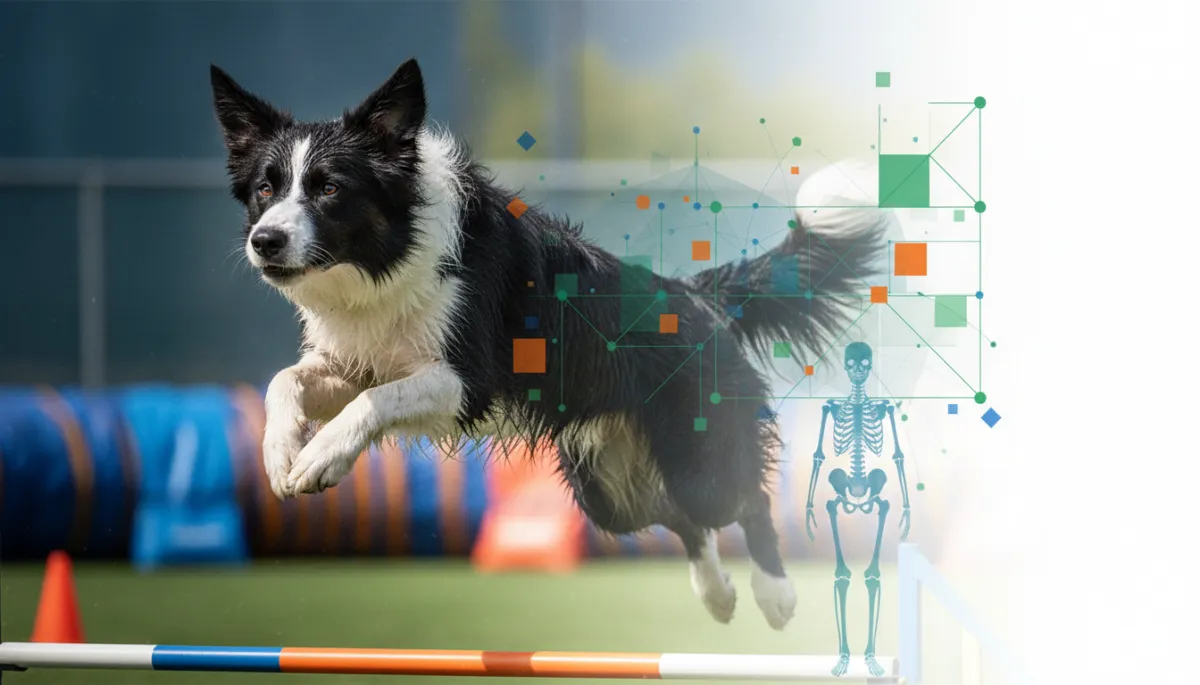
Risks of Early Pressure on Young Working Dogs
Young Working Dogs, Dog Injury Prevention, Early Specialization, Canine Health Risks
When Talent Becomes a Risk: Are We Asking Too Much of Young Working Dogs?
By Dr Ansi van der Walt, Veterinary Physiotherapist BPhysT (UP), MScPhysio (WITS), PhD (UCT)
If you share your life with a bright, driven young dog, it’s natural to dream big agility titles, working trials, search and rescue, or simply being the fittest dog at the park. At PetFit, we see just how much love and hope sit behind those dreams. We also see something else: talented Young Working Dogs whose bodies are quietly struggling under the weight of early pressure and high expectations.
When Talent Turns into Pressure: Why Young Dogs Get Hurt
Most injuries in talented young dogs aren’t caused by one dramatic accident. They build slowly from a mix of physical and emotional load. Common factors we see at PetFit include:
Growing bodies under adult workloads: Joints, growth plates, and soft tissues are still developing, even when a dog looks “ready” on the outside.
Repetitive impact: High jumps, tight turns, and fast contacts in agility can overload immature structures when repeated too often or too early.
High arousal, low control: A dog with huge drive may power through fatigue or pain, masking early warning signs until an injury is obvious.
Invisible stress: Pressure to “perform” can keep the nervous system on high alert, tightening muscles and reducing natural, fluid movement.
💡 PetFit perspective: A talented dog is often the one most at risk—because their enthusiasm makes it easy to miss the moment when “keen” quietly becomes “overloaded.”
Early Specialisation: Lessons from Human Athletes
In human sport science, Early Specialisation—focusing intensely on one sport from a young age—is strongly linked with higher injury rates, burnout, and shorter careers. Research in youth athletes shows that:
Kids who specialise early in a single sport are more likely to develop overuse injuries, especially in joints and growth plates.
Diverse, playful movement in childhood builds better long-term strength, coordination, and resilience than narrow, high-intensity training.
Our dogs may not sign up for gymnastics or football, but the principles are strikingly similar. A young agility prospect asked to train like a miniature elite athlete - multiple structured sessions per week, high jumps, tight sequences, constant repetition - is facing the same core problem: too much of one thing, too soon. The result? Increased Canine Health Risks, from soft-tissue strains to chronic joint issues that may only show up fully in adulthood.
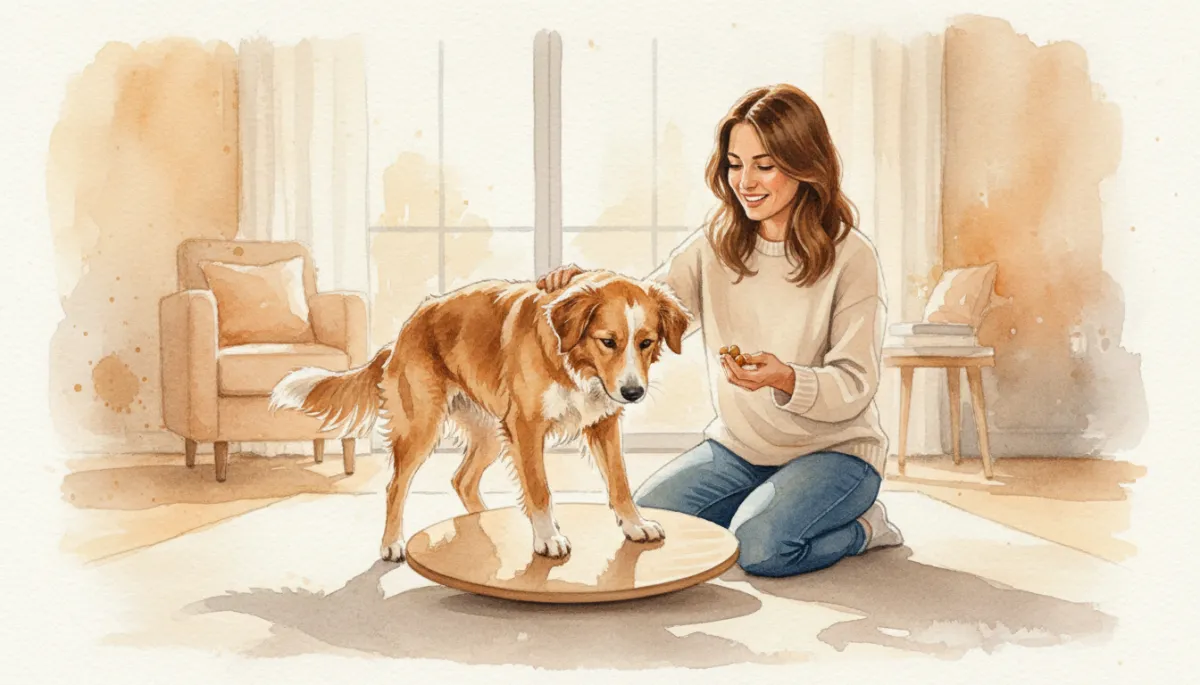
Simple balance games build strength and control without overloading young joints.
High Expectations, Hidden Costs
For many owners like you, expectations come from a loving place: you want to honour your dog’s potential. But when big goals meet a young, biddable dog, the line between “supportive” and “too much” can blur. Signs that expectations may be edging into risk include:
Feeling anxious if your dog “falls behind” their peers in class or online.
Pushing through tiredness because “they need the practice” or a trial is coming up.
Choosing harder, faster exercises instead of easier, mindful ones your dog actually moves better in.
📌 Key Takeaway: The goal isn’t to lower your dreams - it’s to stretch the timeline so your dog’s body can grow the strength to match their heart.
Rethinking Training: Practical Tips for Dog Injury Prevention
1. Focus on Drive and Learning, Not Just Skills
In the early stages of training, the safest investment is to develop your dog’s love of learning. Short, upbeat sessions that build curiosity, problem-solving, and engagement protect both body and mind. Think:
Nosework games around the house or garden.
Simple shaping sessions with low-impact behaviours (paw targets, chin rests, spins on the flat).
These activities grow the mental “engine” that will later power your sport work - without the physical toll of full-height equipment.
2. Build Body Awareness Before Big Impact
One of the most powerful ways to reduce Dog Injury Prevention risk is to help your young dog truly “live inside” their body. Many injuries happen because dogs don’t yet know where their limbs are in space at speed. You can gently develop this awareness with:
Cavaletti poles on the ground or very low heights, walked slowly and thoughtfully.
Backing up in a straight line, then between narrow walls or poles.
Gentle balance work on stable, low platforms or cushions appropriate for their age.
💡 Pro Tip from PetFit: Quality matters more than difficulty. Slow, controlled repetitions build strength and coordination far better than rushed, flashy ones.
3. Keep Training Playful and Varied
Play is nature’s favourite training tool. For young working dogs, promoting playful training is one of the safest ways to develop fitness, coordination, and resilience. Mix in:
Tug games with clear start/stop cues, focusing on full-body movement rather than wild, jerky motions.
Off-lead mooching walks where your dog chooses the pace, sniffing, climbing, and exploring different surfaces.
Lighthearted recall and chase games over varied but safe terrain.
This kind of movement mirrors what human research tells us: kids who play many different games, in many different ways, become stronger, more adaptable athletes later on. Your dog deserves that same foundation.
4. Partner with Professionals Early
You don’t have to figure this out alone. A canine physiotherapist or rehab vet can assess your dog’s posture, movement patterns, and muscle balance long before problems surface. At PetFit, our veterinary physiotherapy sessions and K9Yoga classes are designed to:
Catch subtle asymmetries that can turn into injuries under sport load.
Give you clear, simple home exercises tailored to your dog’s age and goals.
From Worry to Confidence: Helping Your Young Dog Thrive
If you’re reading this and feeling a twinge of guilt, you’re not alone. Many devoted owners only realise they’ve asked “too much, too soon” after their dog is limping or reluctant to play. Compassion - for yourself and your dog - is the first step. The next is choosing a different path from today forward: one that values long-term soundness over short-term progress, and joy over pressure.
By focusing on drive and learning, building body awareness, and keeping training playful and varied, you’re not holding your dog back. You’re giving them the greatest gift: a body that can keep up with their brilliant mind for years to come.
At PetFit, we’re here to guide you with clear, evidence-based support—so you can feel confident you’re doing everything possible to protect your young working dog’s future. Book your first session and help your dog thrive.
