Fit for the Field: How to Build a Gundog That Works Longer, Moves Better and Recovers Faster
By Dr Ansi van der Walt | Veterinary Physiotherapist
A working gundog is one of nature's greatest athletes.
Whether they're retrieving game, navigating rough terrain or spending hours in the field, these dogs ask an incredible amount of their bodies. Yet many handlers spend far more time developing retrieving skills and obedience than preparing their dog's body for the physical demands of the job.
Just because your dog is eager to keep going doesn't necessarily mean they're moving well.
In fact, many working dogs will continue performing despite fatigue or discomfort simply because of their drive and enthusiasm.
The good news? With the right conditioning, warm-up routine and recovery habits, you can help your dog stay stronger, move more efficiently and enjoy many more seasons in the field.
Why General Fitness Isn't Enough
Daily walks, retrieving practice and free running all contribute to your dog's overall fitness.
But field work is very different.
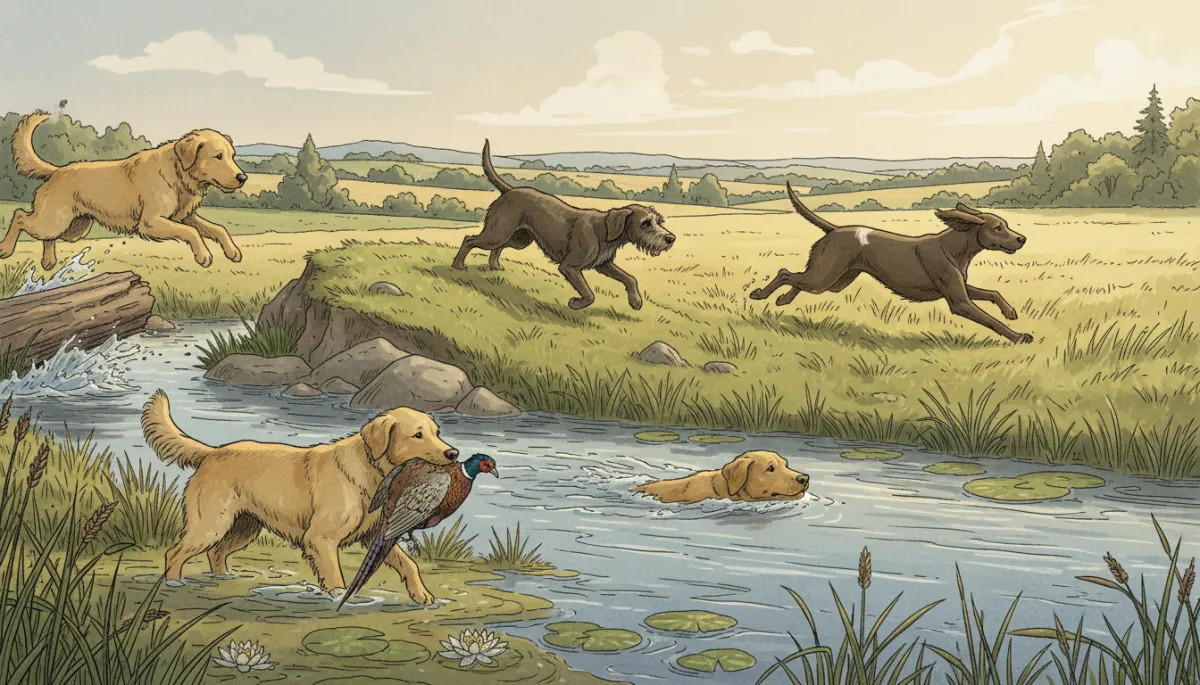
A gundog may need to:
Accelerate from a standstill
Stop suddenly
Change direction rapidly
Jump fences or fallen logs
Climb riverbanks
Swim through water
Carry heavy game back over uneven terrain
Each movement challenges different muscles, joints and balance systems.
True field fitness isn't simply about endurance.
It's about maintaining quality of movement throughout the day.
A well-conditioned dog doesn't just keep going—they continue moving with balance, coordination and confidence even after several hours of work.
The Five Foundations of a Fit Gundog
At PetFit, we encourage handlers to think beyond simple exercise and instead focus on five essential pillars of canine athletic performance.
1. Mobility
Healthy mobility allows your dog to comfortably move through the spine, shoulders and hips.
The goal isn't excessive flexibility—it's smooth, controlled movement without stiffness or pain.
2. Strength
Strong muscles generate power for:
Running
Jumping
Climbing
Landing safely
Braking during fast turns
Power comes from the hindquarters, shoulders and core working together.
3. Stability
Strength without control isn't enough.
Stability allows the body to stay controlled during:
Sharp turns
Slippery ground
Uneven terrain
Sudden changes in direction
Good stability protects joints and improves efficiency.
4. Body Awareness
Body awareness (proprioception) helps your dog know exactly where each paw is.
This becomes especially important when:
Crossing rough ground
Entering water
Negotiating obstacles
Working through thick cover
Accurate paw placement reduces unnecessary strain and improves confidence.
5. Endurance
Endurance isn't simply running for longer.
It's maintaining:
Movement quality
Concentration
Coordination
Precision
When endurance drops, you'll often notice wider turns, slower retrieves and less accurate foot placement.
Watch for the Small Warning Signs
Working dogs rarely stop when something begins to feel uncomfortable.
That's why handlers are often the first to notice subtle changes.
Keep an eye out for signs such as:
Uneven sitting or standing
Shortened stride
Toe scuffing
Reluctance to jump into the vehicle
Hesitation entering water
Slower retrieves later in the day
Stiffness after resting
Taking longer to loosen up the following morning
These signs don't automatically indicate an injury, but repeated changes deserve attention.
One simple habit I encourage is keeping a brief record on your phone after each training day or field session. Note the terrain, duration and any changes you observed. Patterns often become obvious when you look back over several outings.
A Simple Five-Minute Warm-Up
Many handlers wouldn't dream of running a marathon without warming up.
Yet countless dogs jump straight from the crate into explosive activity.
A short warm-up prepares muscles, joints and the nervous system for work.
A simple routine includes:
Purposeful Walking (1–2 minutes)
Start with a controlled walk on lead, gradually increasing pace while including gentle curves.
Controlled Sit-to-Stands
Perform three or four slow sit-to-stands or down-to-stands, ensuring your dog rises evenly without favouring one side.
Paw Placement Exercises
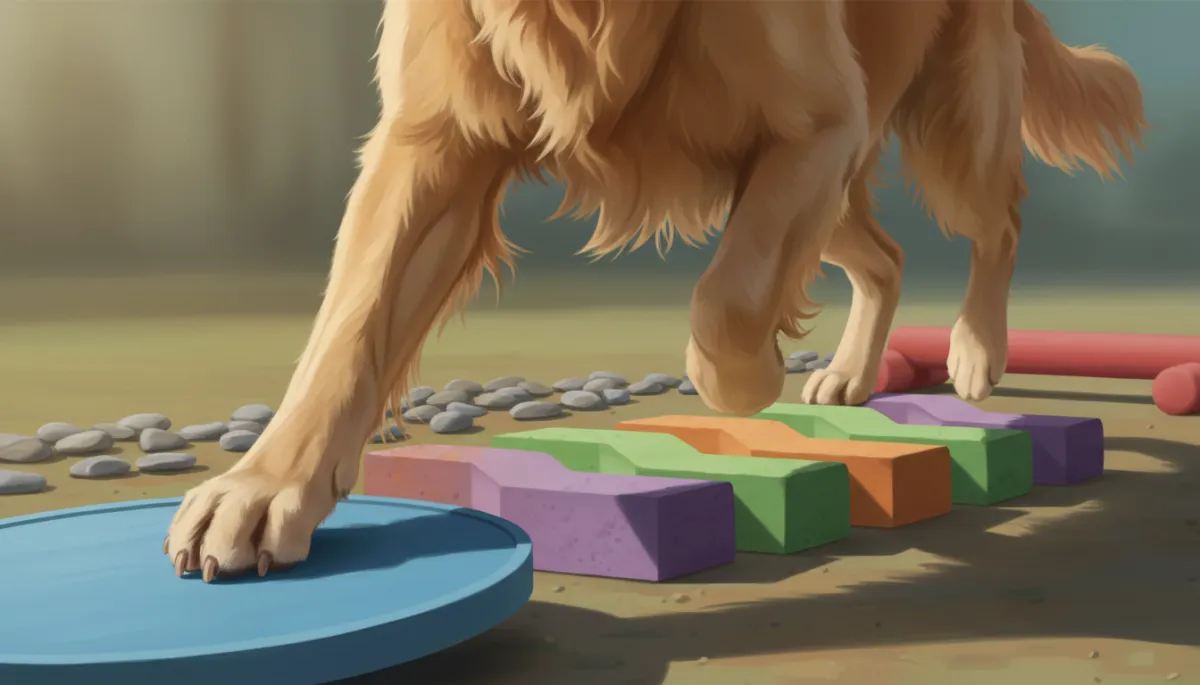
Encourage slow stepping over a low obstacle or onto a stable paw target to activate balance and coordination.
Finish with a Brisk Walk or Controlled Trot
Only then should your dog transition into faster work.
Remember, the goal isn't to tire your dog—it's simply to prepare their body to perform.
Recovery Begins the Moment Work Ends
Recovery is just as important as training.
Rather than loading your dog straight into the vehicle after a day's work, allow them several minutes of steady walking to cool down.
Then perform a quick body check:
Examine paws and pads
Check nails
Remove grass seeds or thorns
Look for cuts or irritation
Ensure your dog is well hydrated
Help regulate body temperature after working in hot or cold conditions
Continue observing your dog that evening and the following morning.
A little tiredness is expected after a demanding day, but persistent stiffness, reluctance to move or behavioural changes should never be ignored.
Train Body Control—Not Just Fitness
Running, swimming and retrieving all build fitness.
However, controlled movement exercises develop something equally important—precision.
Exercises such as:
Balanced standing
Slow weight shifts
Controlled sit-to-stands
Low step-overs
Paw target work
Gentle guided spinal movements
all improve body awareness, coordination and movement control.
This is the foundation of the K9Yoga approach.
Remember:
Quality always beats quantity.
Four perfectly executed repetitions are far more valuable than twenty rushed ones.
Small Improvements Create Stronger Dogs
One of the core principles we teach through THRIVE is improving just 1% at a time.
You don't need an elaborate conditioning programme.
Simple habits performed consistently make the biggest difference.
This season, choose just one new habit:
Introduce a five-minute warm-up before every field session.
Perform a post-work movement and paw check.
Add two short body control sessions each week.
Over time, these small improvements build stronger, more resilient canine athletes.
Built to Work—And Built to Keep Working
A truly fit gundog isn't simply one that can run further.
It's a dog that maintains balance, control and efficient movement throughout the working day, recovers well afterwards and returns ready to perform again.
By investing in movement quality—not just fitness—you'll help protect your dog's body while supporting better performance for many seasons to come.
After all, the goal isn't simply to have a dog that can work today...
It's to have a dog that still loves working years from now.
About Dr Ansi van der Walt
Dr Ansi van der Walt is a veterinary physiotherapist and founder of PetFit Veterinary Physiotherapy, THRIVE and K9Yoga. She helps dog owners, handlers and canine athletes improve movement, prevent injury and build lifelong mobility through practical, science-based exercise programmes.
